
One message.
Delivered in unison.
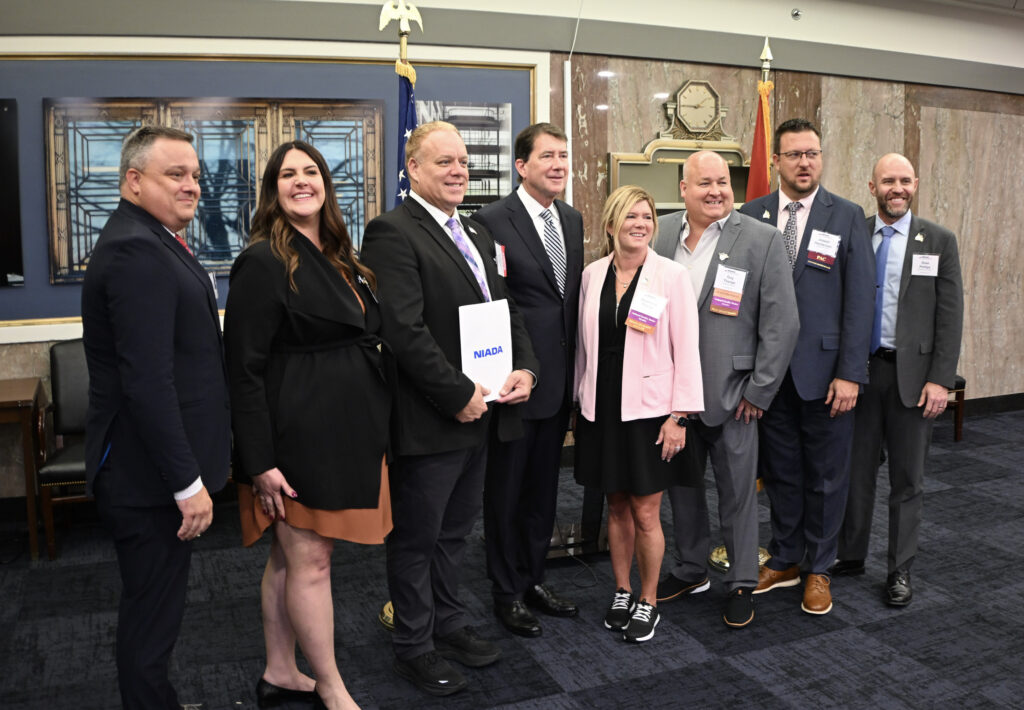
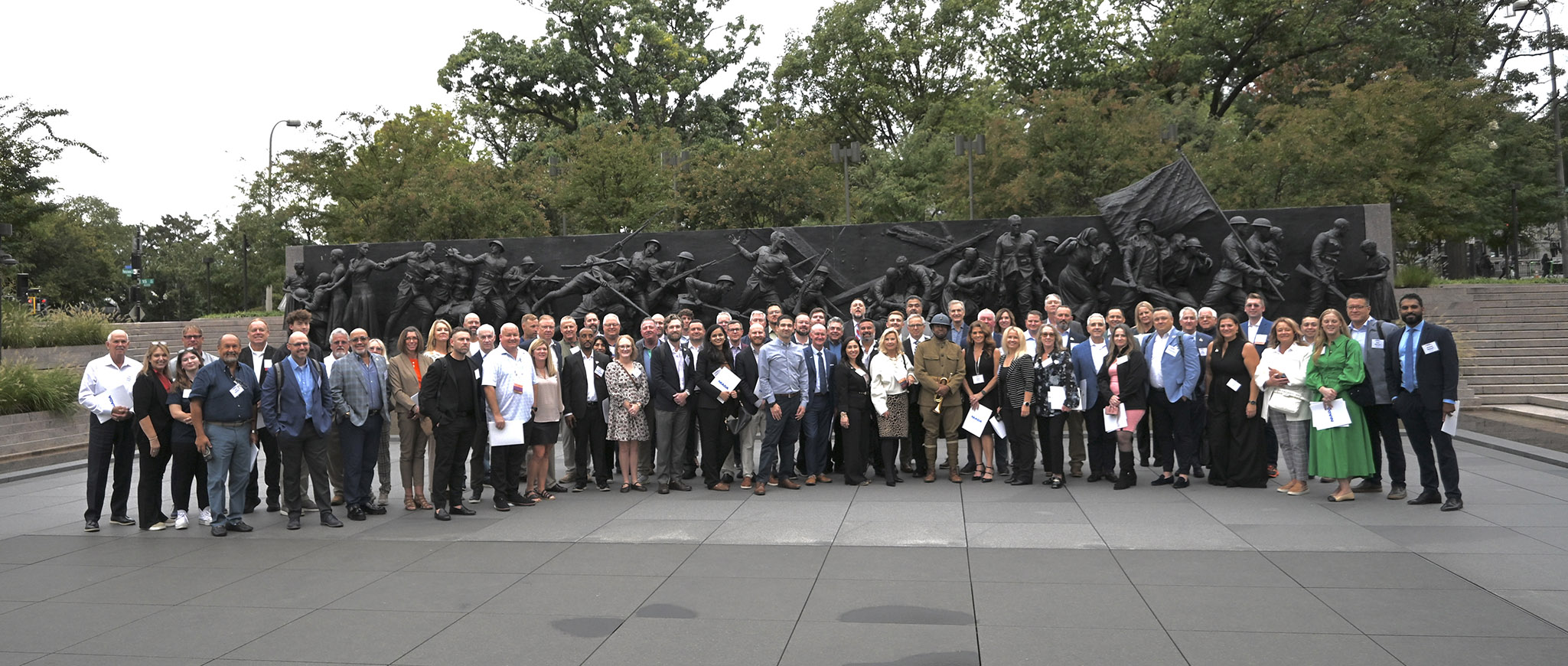
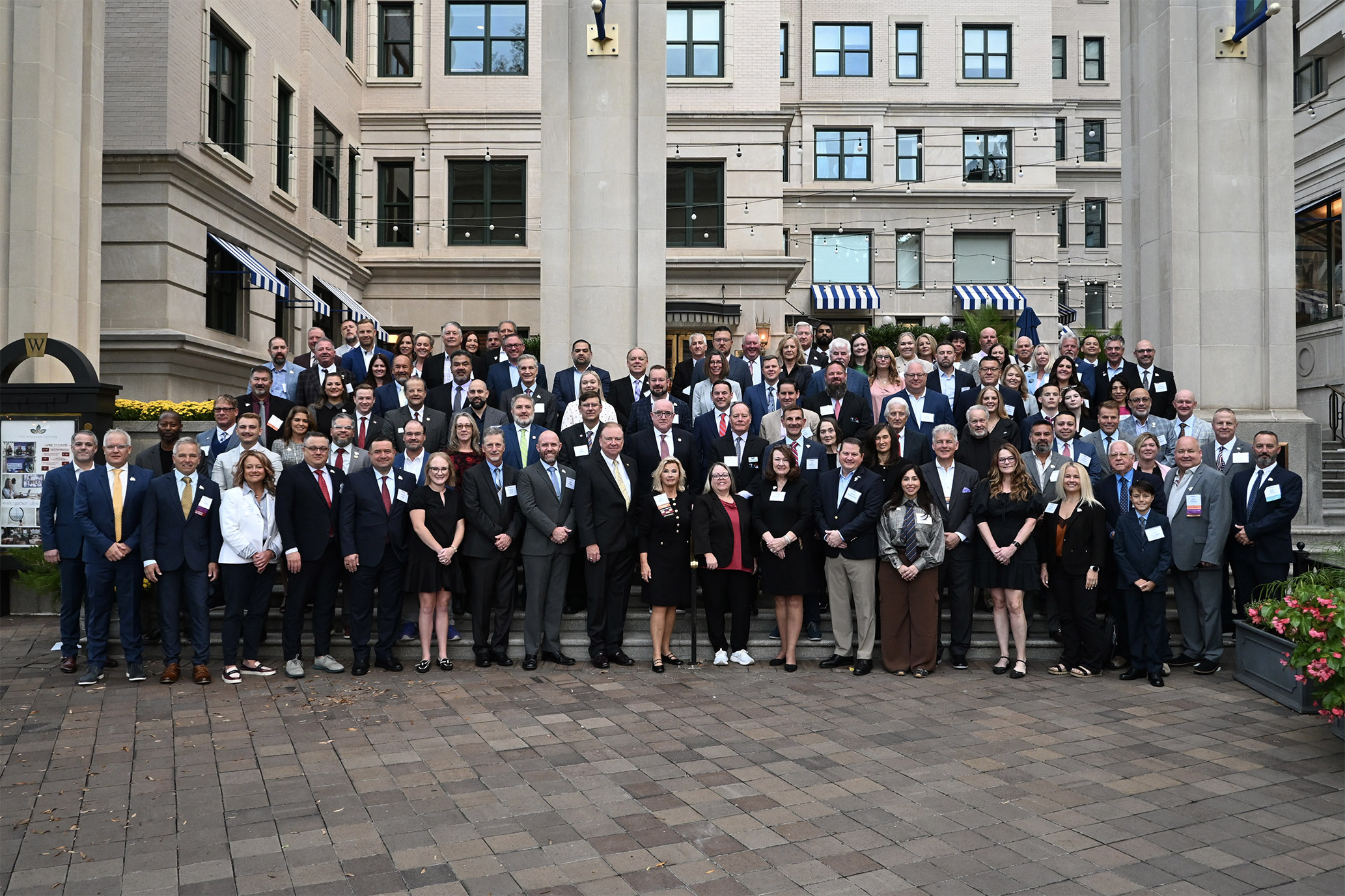
Independent dealers spent two days in Washington — preparing on Monday, advocating on Tuesday — and walked out of more than 100 meetings with lawmakers and their staff.
Here's how the 12th Annual National Policy Conference came together, from the general session at the Willard to the closing reception in the Cannon House Office Building.
Four asks, door to door.
Every Tuesday meeting led with the same four priorities — one consistent position from the independent dealer community, delivered across House and Senate offices.
Right to repair.
Include the REPAIR Act in the safety title of the 2026 surface transportation reauthorization.
Converter theft.
Sign on as a cosponsor of the bipartisan PART Act.
CFPB reform.
Bring the Consumer Financial Protection Accountability and Reform Act of 2026 to the full House.
FCRA reform.
Move the FCRA Liability Harmonization Act to a vote of the full House.
Monday was for getting ready.
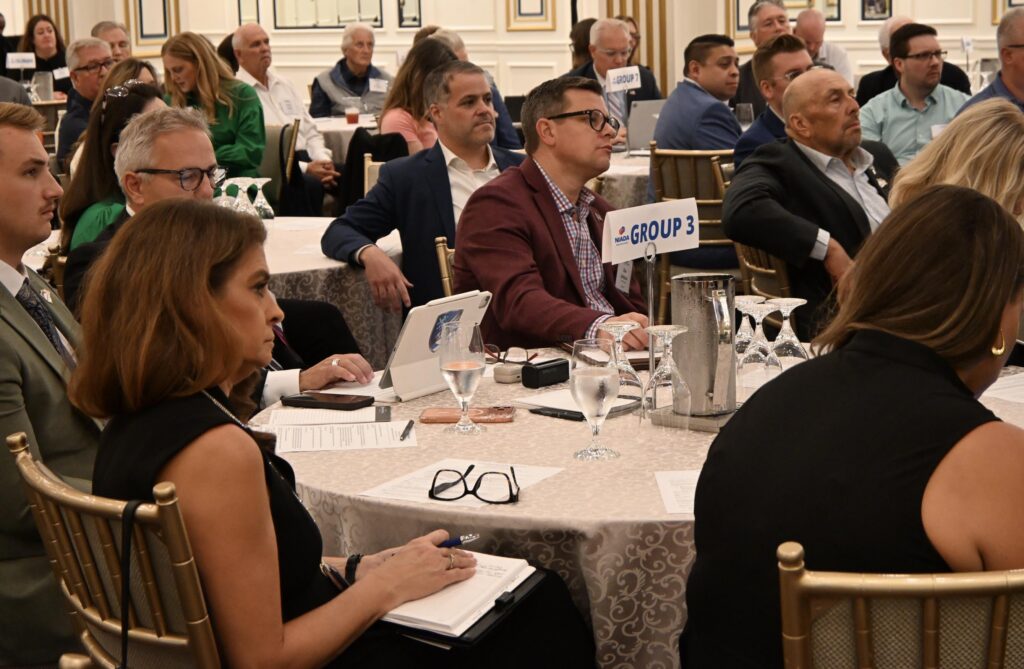
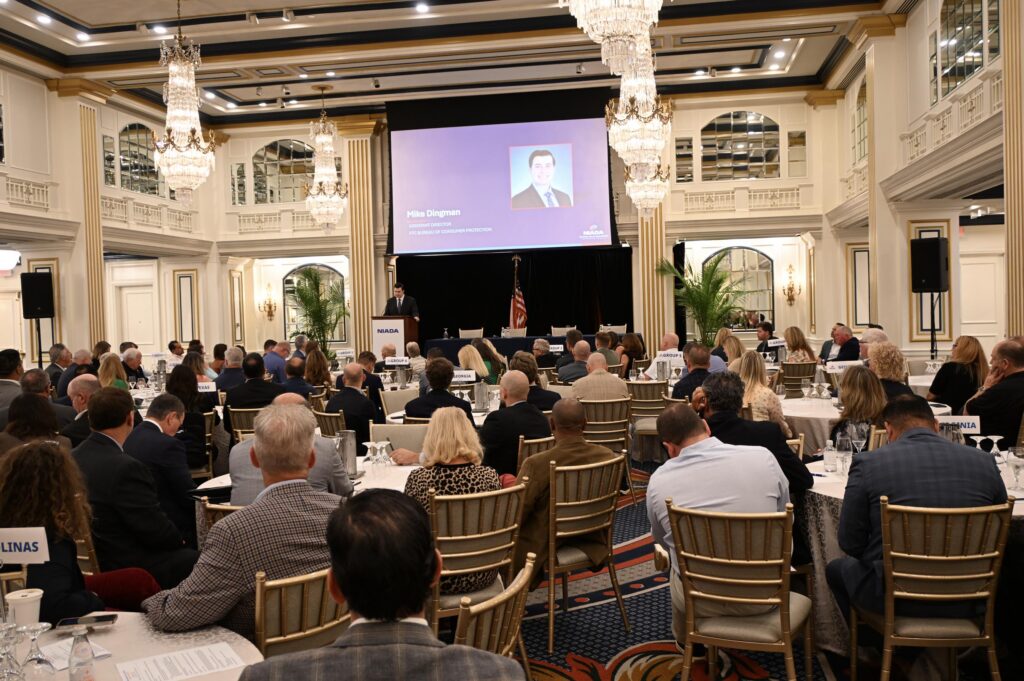
The general session gave dealers the context and talking points they'd carry into Tuesday's meetings: two panels, two federal regulators, and Hill training to close.
-
01
Panel · State advocacy
Grassroots starts at home.
Moderated by Patrick O'Brien, NIADA Director of Government Relations & Compliance, with Bentley Nolan (NIADA Board), Corrine Kirkendall (PassTime GPS), Marty Coates (CIADA), and Allen White (Automax).
Get to know your state legislators long before there's a bill on the table. A personal story travels further than a fact sheet — and when a bad bill starts moving fast, stay calm and find allies.
-
02
Regulatory update · FTC
Watch the advertised price.
Mike Dingman, FTC Bureau of Consumer Protection
The biggest price in an ad has to be one any shopper can actually pay, with mandatory charges like doc fees built in, and add-ons have to be genuinely optional. With warning letters sent to 97 auto groups in March, Dingman framed transparency as protection for honest dealers who lose deals to misleading ads.
-
03
Regulatory update · IRS
Tax changes that help cash flow.
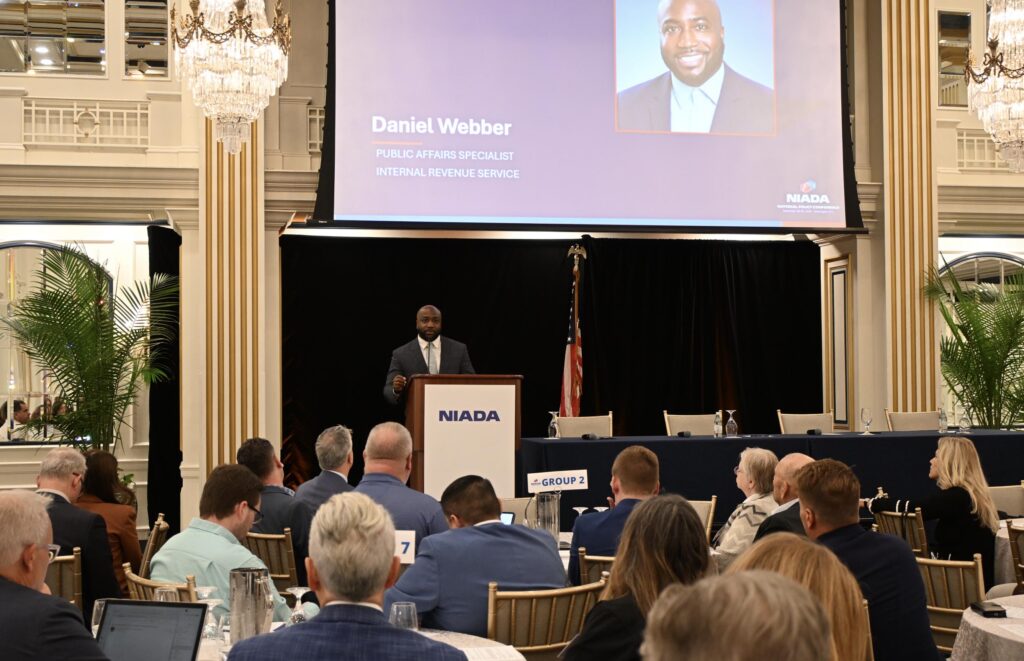
Daniel Webber, Internal Revenue Service
A tour of the One Big Beautiful Bill provisions dealers will feel: 100% bonus depreciation is back, Section 179 limits are higher, the Qualified Business Income deduction is now permanent, and the 1099 reporting threshold went up. He also encouraged dealers to help customers understand new deductions that could affect their budgets.
-
04
Closing panel · Right to repair
Locked data costs everyone.
Patrick O'Brien, NIADA, and Mark Fuerbacher, Universal Imports, Rochester, N.Y.
Restricted data, tools, and parts push up repair and reconditioning costs — a $200 battery only a franchise dealer can buy, a $40,000 three-year programming subscription — and consumers end up paying. The ask for the Hill: not special treatment, just a level playing field.
Region 4 took the Cup.
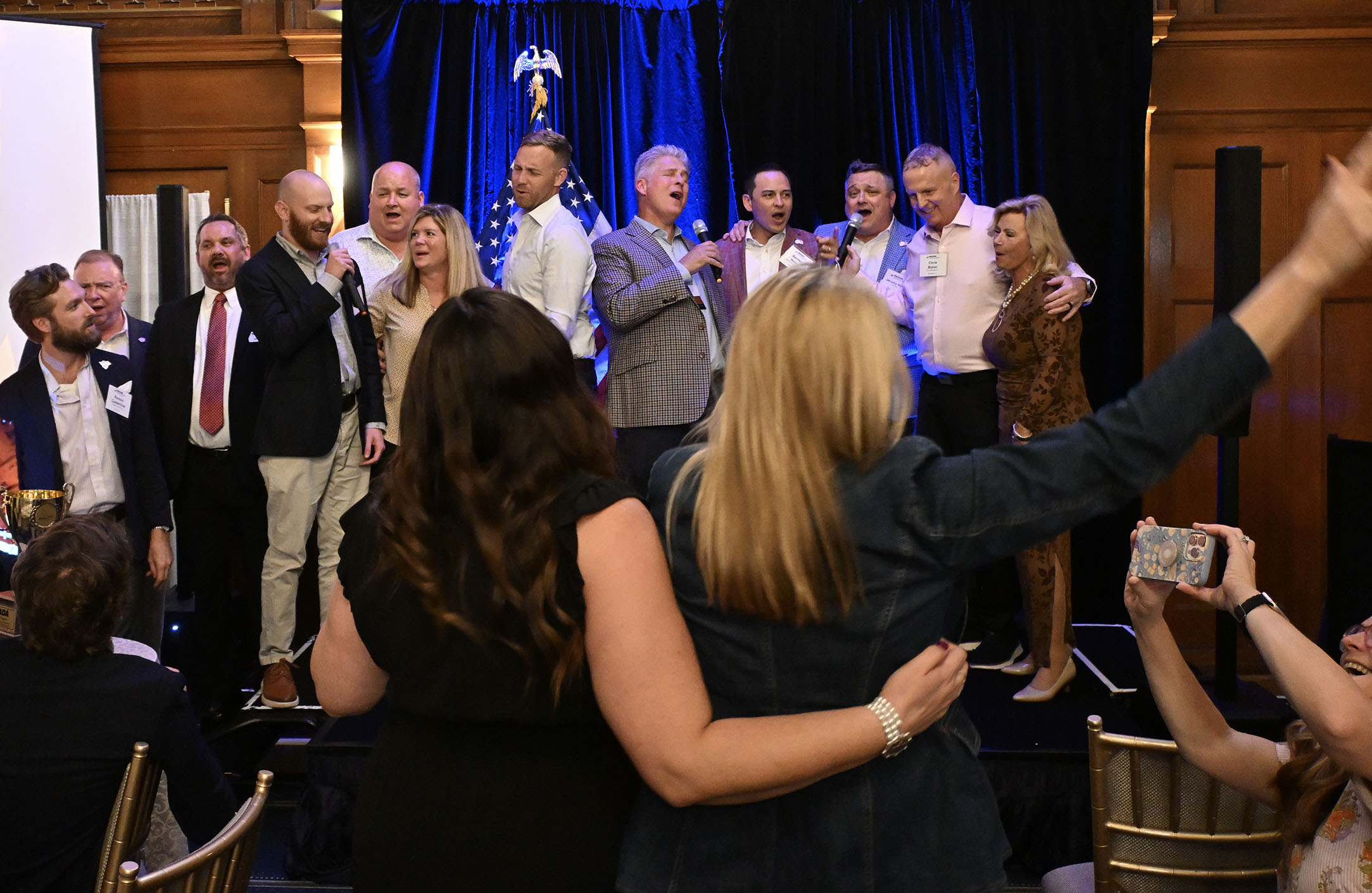
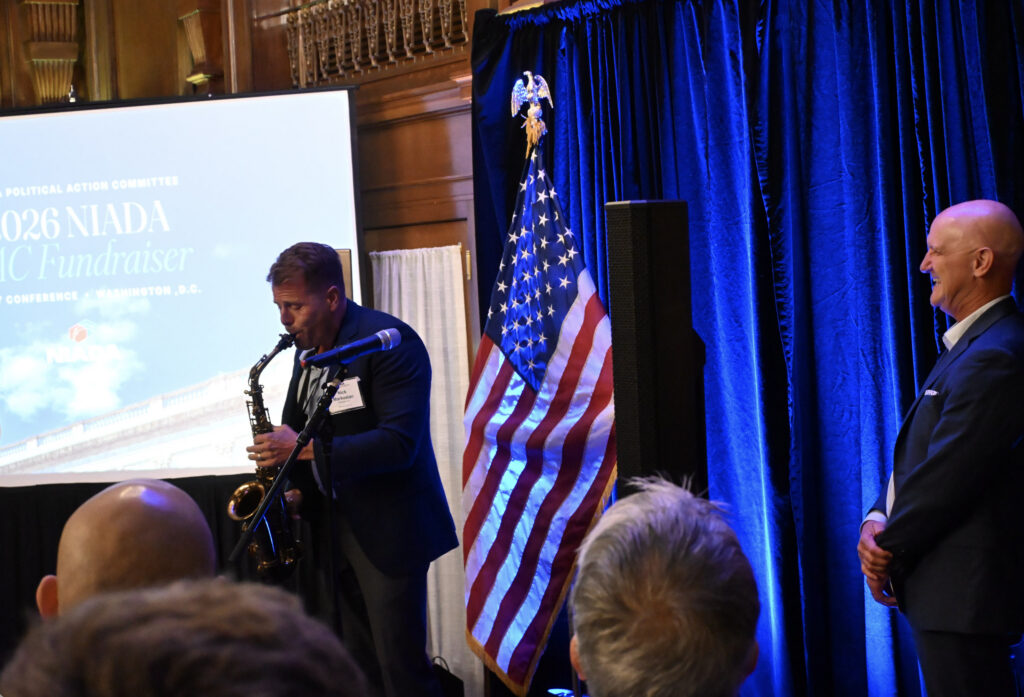
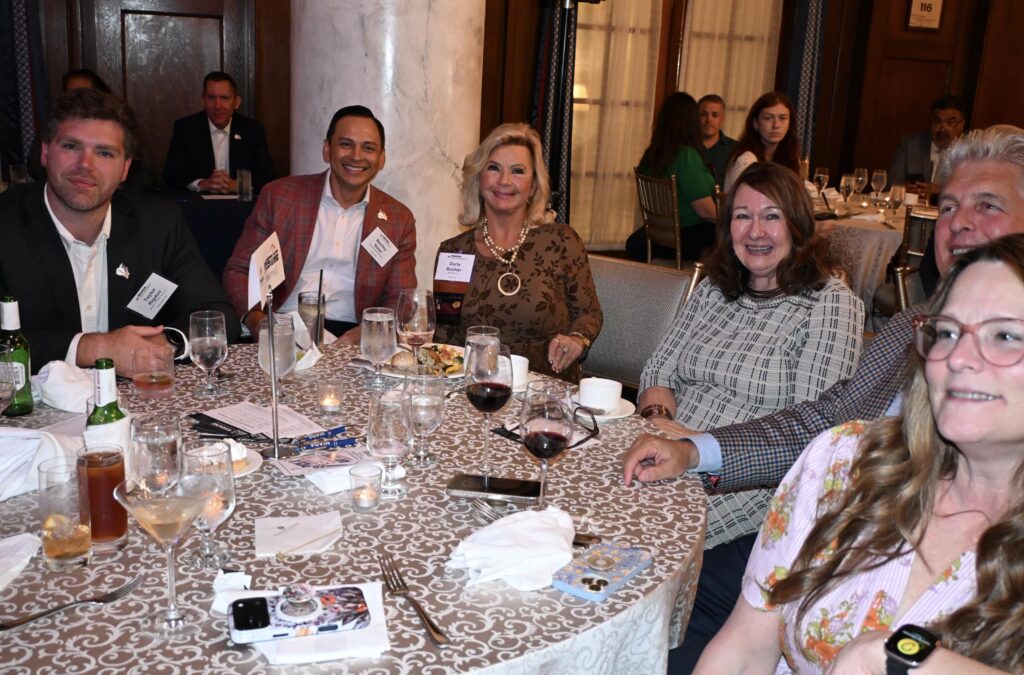
The evening opened with the PAC Reception, sponsored by Solera, followed by the PAC Dinner and Karaoke Fundraiser. Region 4 finished the night at the top of the PAC Cup standings.
Tuesday belonged to the Hill.
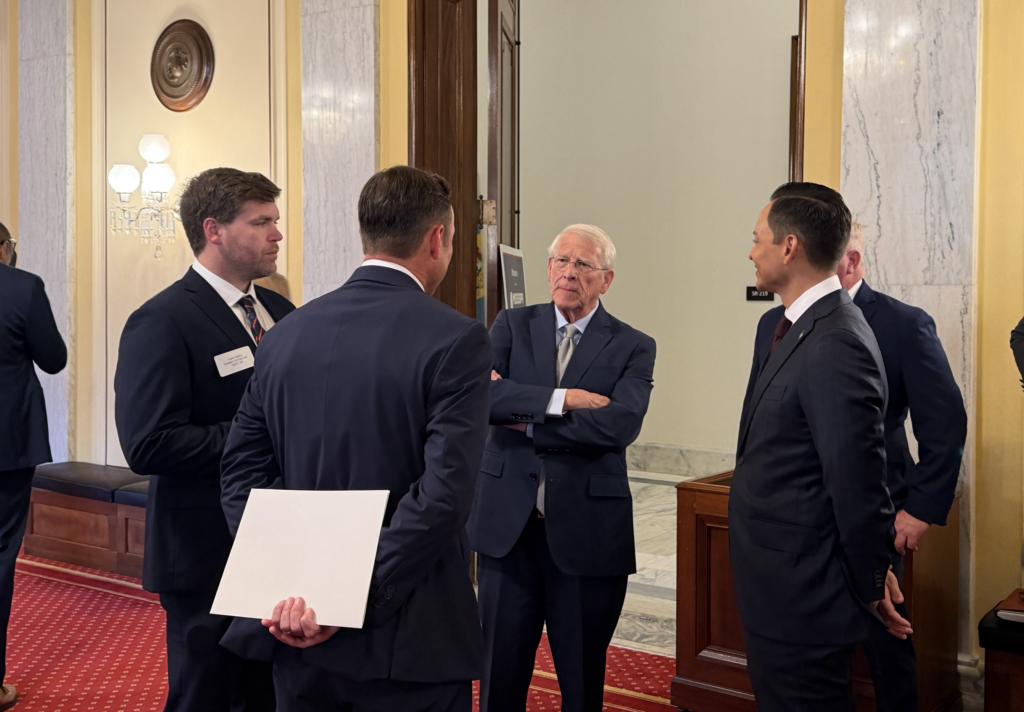
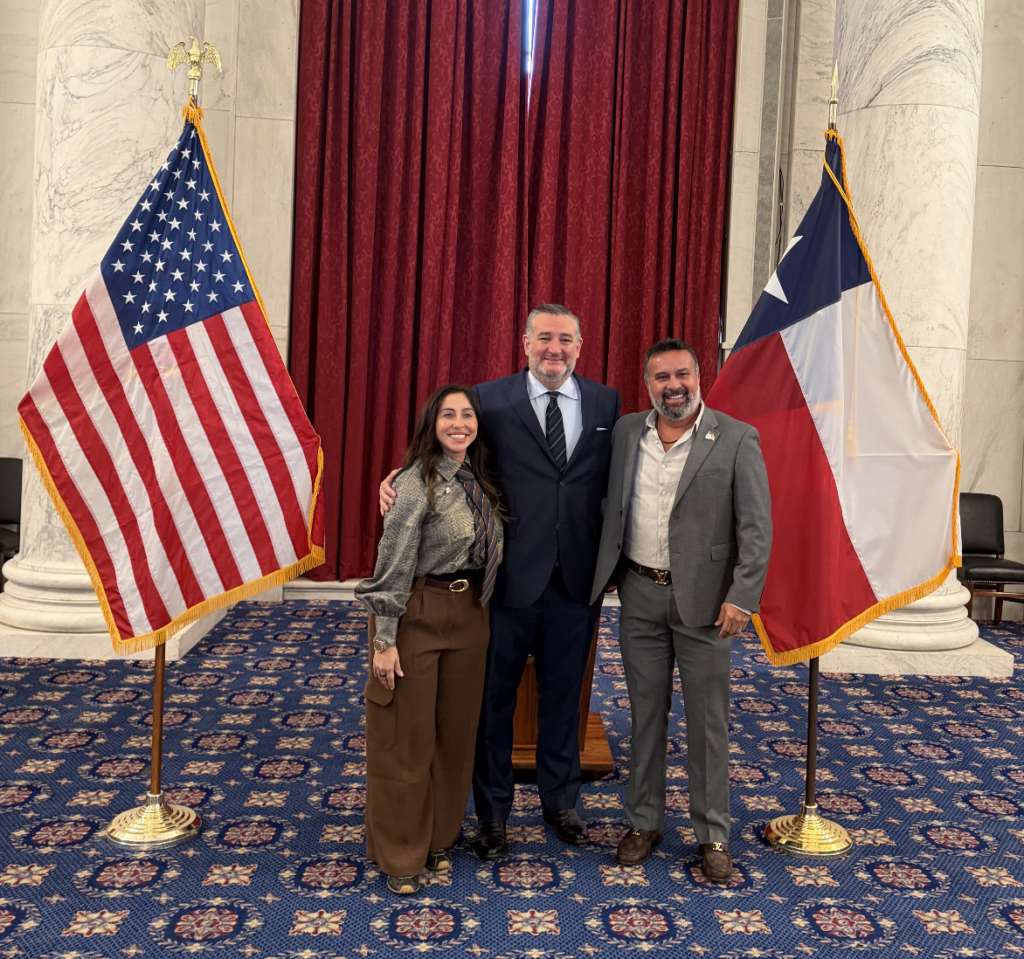
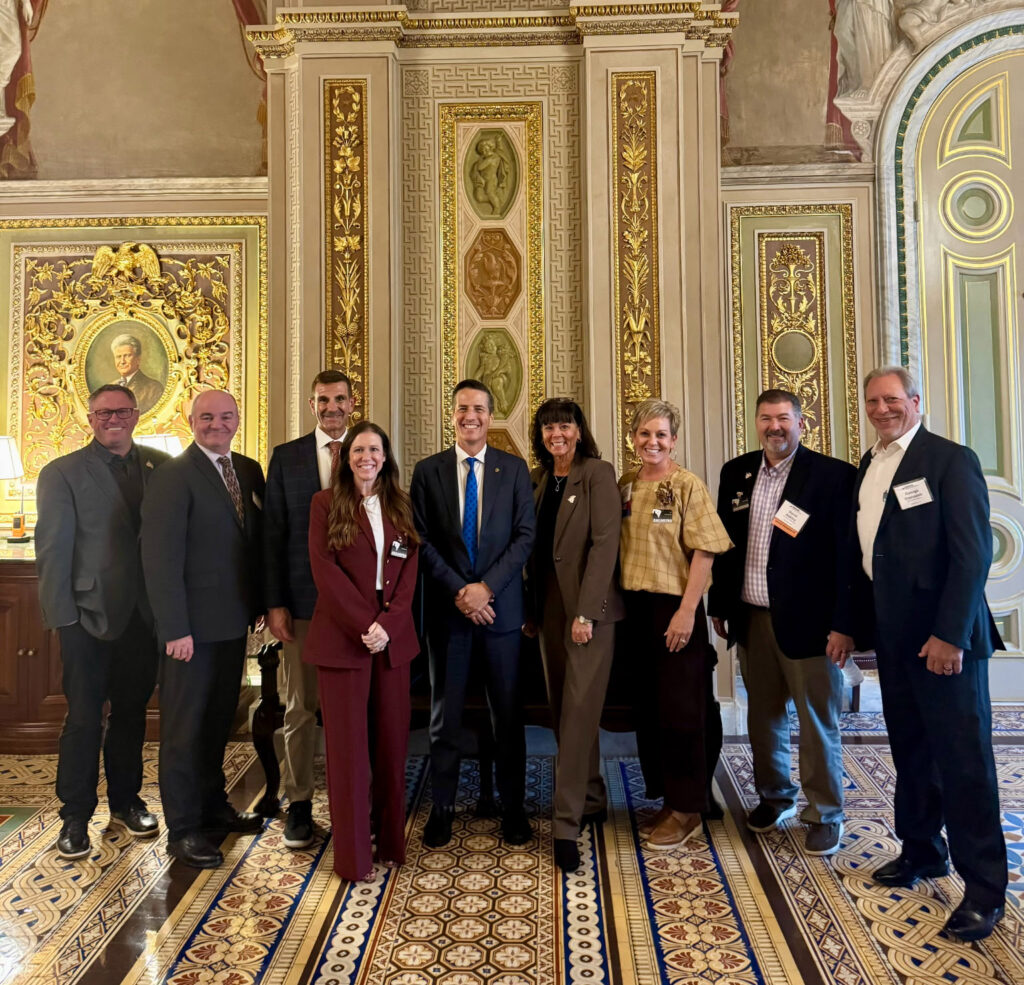
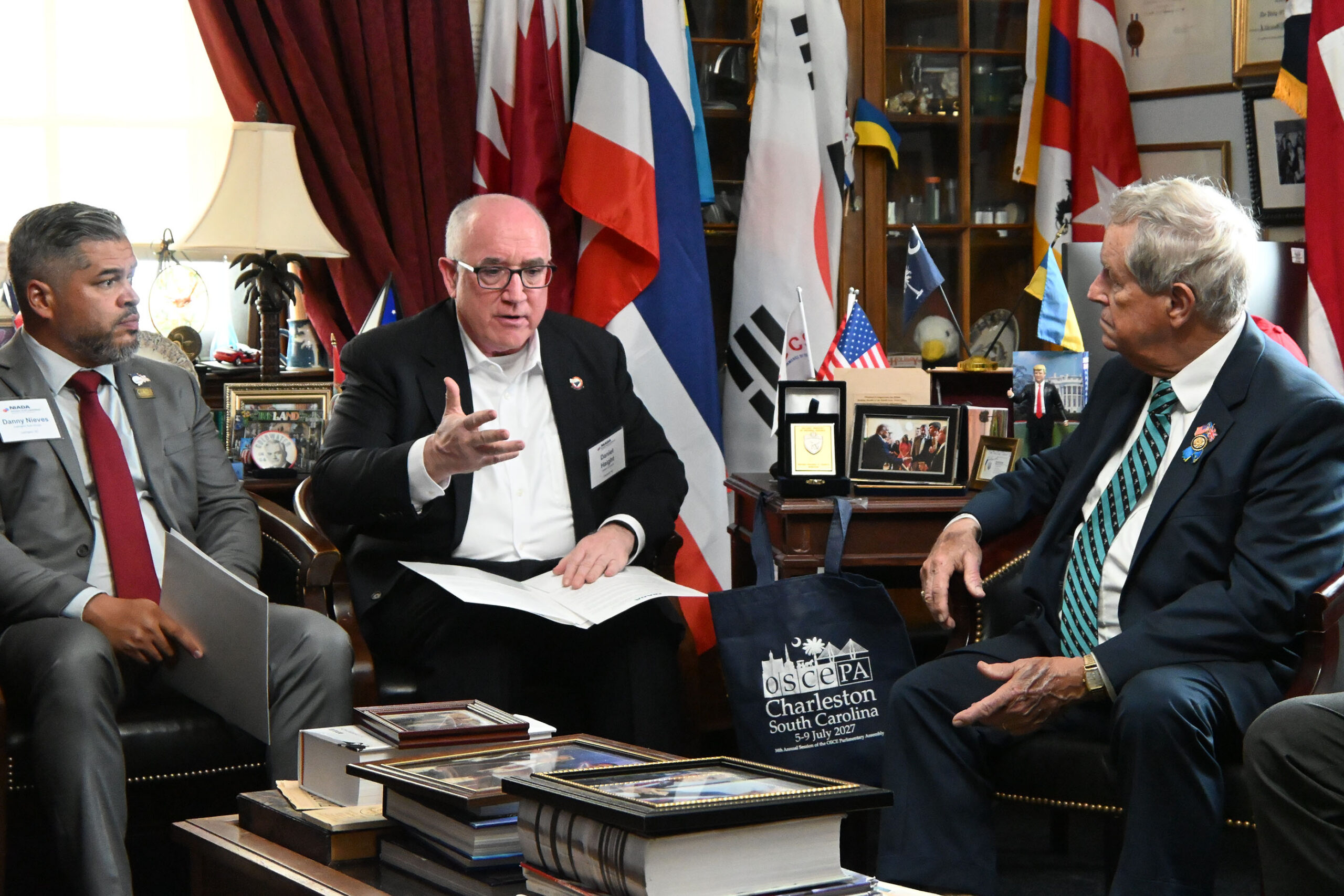
Dealers spent the day in House and Senate offices, holding more than 100 meetings with members of Congress and key committee staff.
- Morning Member meetings across both chambers Including Sens. Ted Cruz, Tim Sheehy, Roger Wicker, Bernie Moreno, and others
- Midday Lunch at the Library of Congress Members Room, Jefferson Building · hosted by Rep. Mike Rulli (OH) · Sponsored by Agora Rulli, who spent most of his life in his family's century-old grocery business, told dealers he knows what it takes to make payroll and work through federal rules. He called independent dealers the source of transportation working families depend on — and urged them to engage with state and local leaders, too.
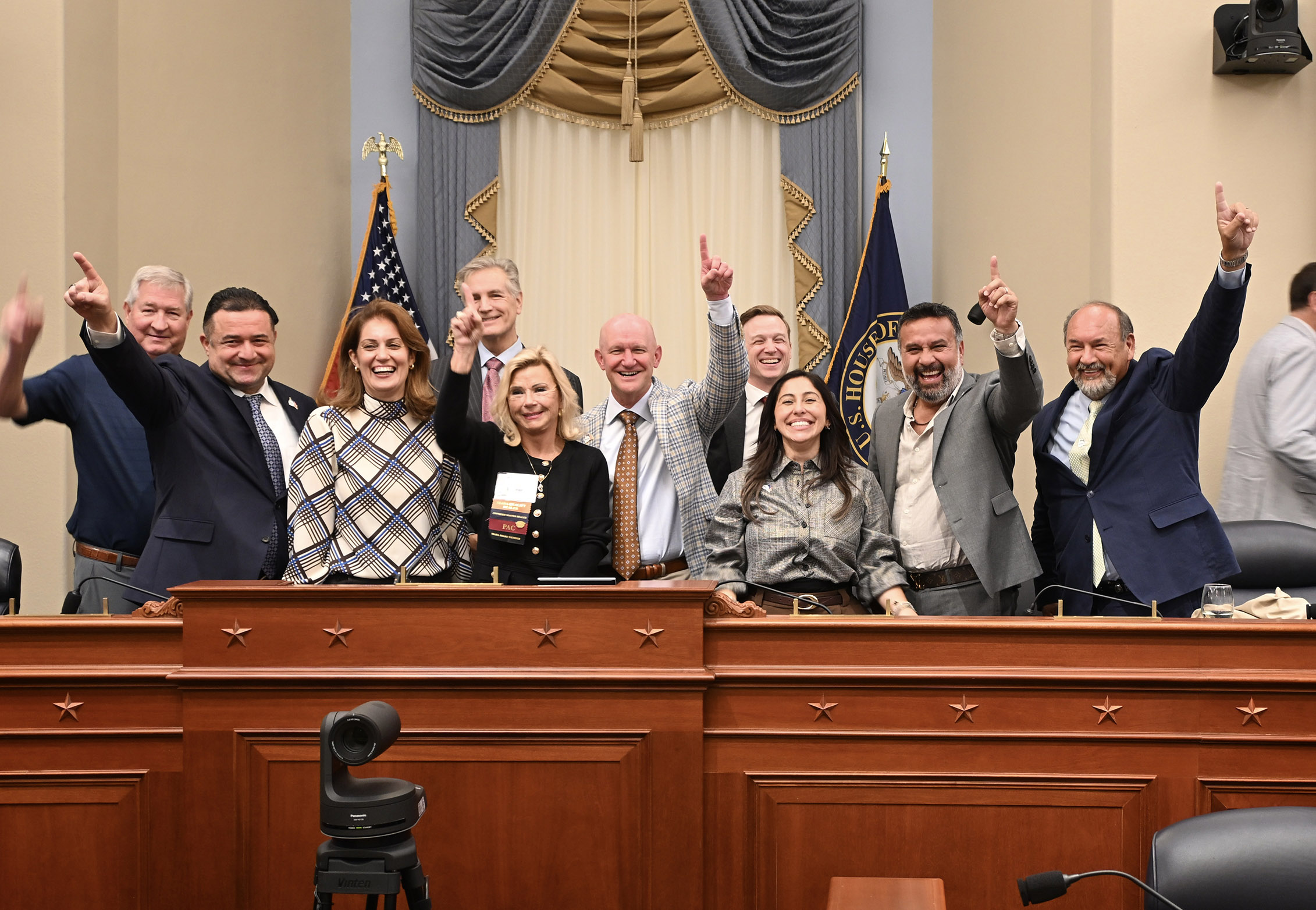
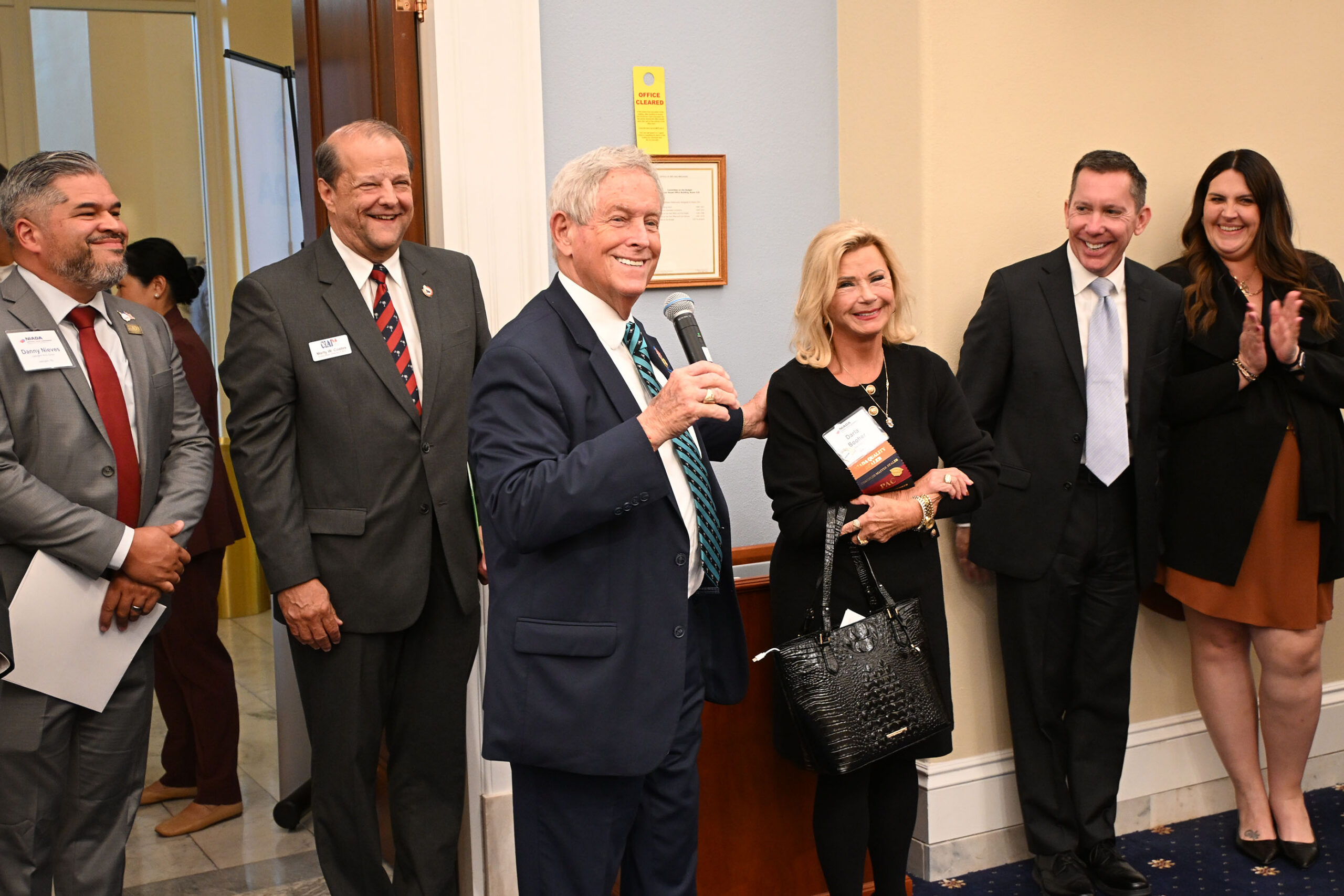
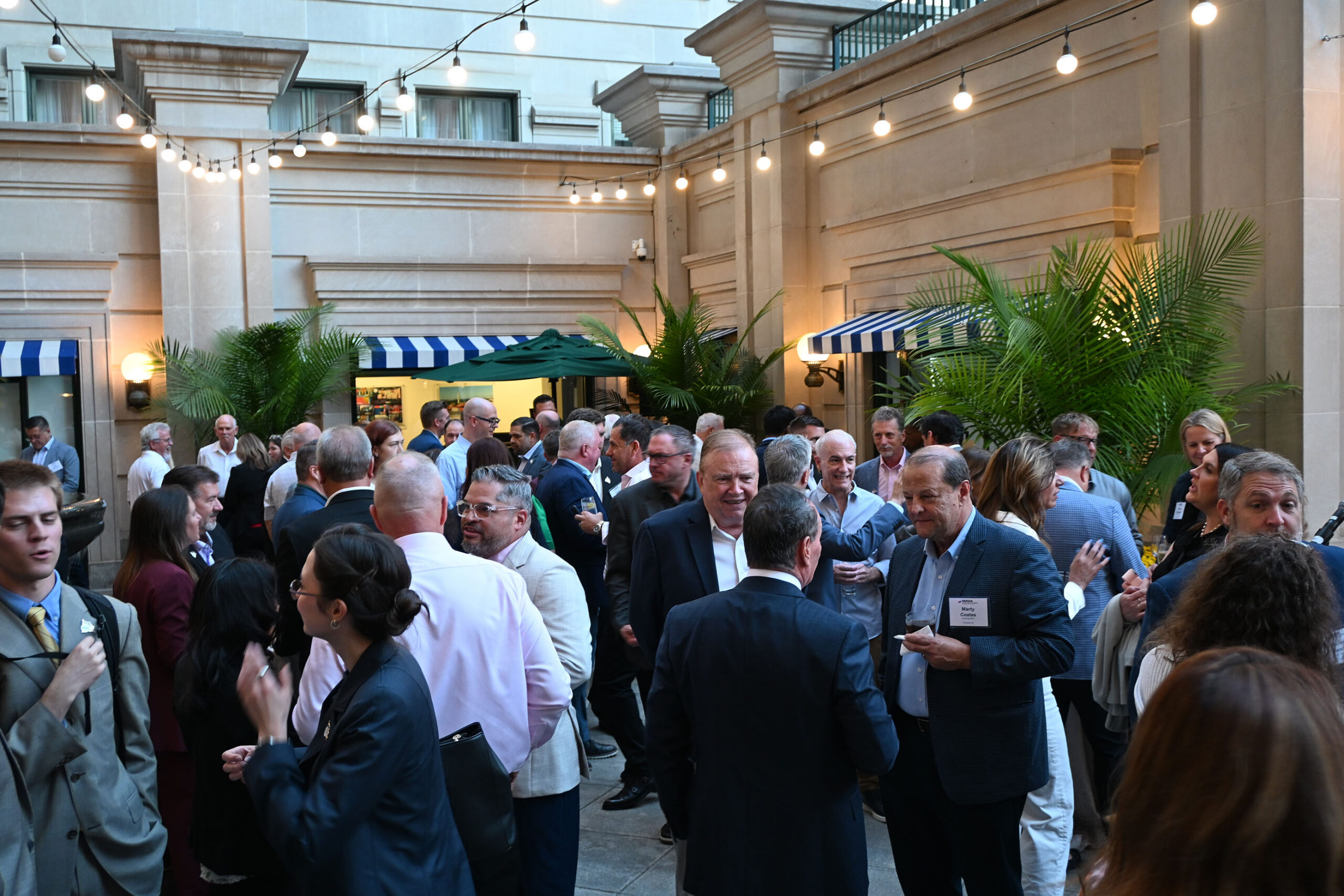
- Evening Closing reception House Budget Committee Hearing Room, Cannon House Office Building · Sponsored by PassTime Dealers were joined by Sens. Ashley Moody, Rick Scott, and Deb Fischer and Rep. Joe Wilson.
Made possible by our partners.









The work continues.
The relationships dealers build with lawmakers — in D.C. and back home — are what count when the next bill comes up for a vote.