

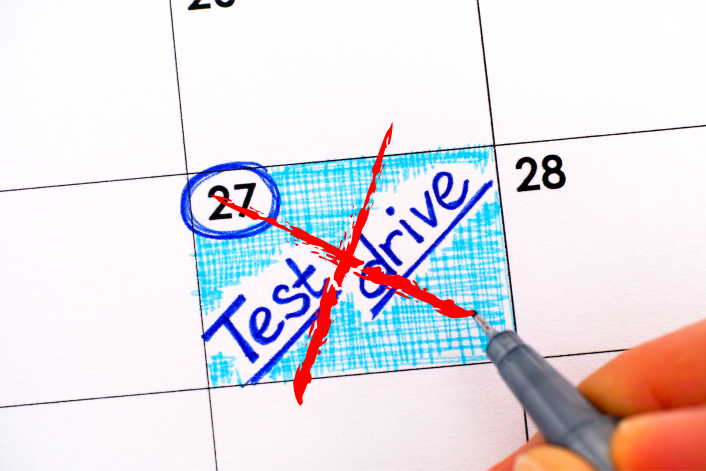
The traditional ritual of the used car test drive is losing its place as the primary moment of buyer confidence. A 2026 ClarityCheck survey of 6,000 adults across Europe, the United States, and Latin America found that 68% of respondents would run a vehicle history check before seriously considering a purchase, while only 28% cited the test drive as a leading signal and just 12% would rely on the seller’s word alone.
The shift reflects real risks in the used car market. CARFAX data from December 2025 estimates roughly 2.45 million vehicles on U.S. roads are suspected of having rolled-back odometers — a 14% increase from the prior year, compared to just 4% growth the year before. Vehicles with odometer fraud averaged a loss of around $3,300 in value for the buyer. Flood-damaged vehicles present a separate but related problem, with the National Insurance Crime Bureau counting roughly 347,000 flood-damaged vehicles from the 2024 hurricane season working their way into resale channels well into 2025.
A test drive can reveal mechanical feel in the moment, but it cannot surface accident history, title issues, or mileage tampering. Buyers appear increasingly aware of that gap — treating the paper trail not as a follow-up, but as the starting point.