






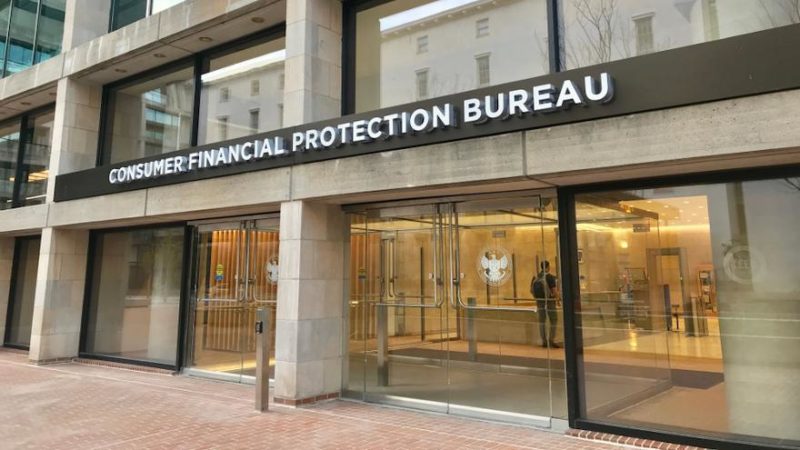
On August 14, the Consumer Financial Protection Bureau (CFPB) announced that it will no longer publish unverified complaint narratives and visualizations as part of its consumer response function. The CFPB acknowledged that publishing unverified narratives in its Consumer Complaint Database provides limited utility while creating significant potential for confusion and misleading interpretations. The Bureau also noted that complaint narratives generally reflect negative consumer experiences, present only one side of a dispute, and do not necessarily indicate that a violation of law has occurred. NIADA welcomes this important reform to the CFPB’s consumer complaint process, which is consistent with our public stance on the matter.
In April, NIADA submitted comments to the CFPB in response to its Request for Information (RFI) on the Bureau’s Strategic Plan for 2026–2030. Among NIADA’s recommendations was that the Bureau identify and remove improper submissions from its Consumer Complaint Database, enabling the CFPB to focus its attention and resources on complaints that raise legitimate and actionable consumer protection concerns. NIADA also urged the CFPB to ensure that complaints included in the database are grounded in actual consumer harm rather than speculative or subjective grievances. When dissatisfied consumers use the complaint process to retaliate against a business or rely solely on their perception of a negative experience without providing evidence of misconduct, it can divert the Bureau’s limited investigative resources from matters that may involve genuine violations of consumer financial protection laws. It can also generate unfair and unwarranted reputational consequences for the company in question.
NIADA applauds the CFPB for considering constructive stakeholder feedback received through the RFI process and incorporating that feedback into its efforts to reform the Bureau’s strategic direction and management. The decision to discontinue publication of unverified complaint narratives is an important step toward ensuring that the CFPB’s consumer response function remains focused on meaningful consumer protection and actionable violations of law.