

For used car dealers, the Federal Reserve’s recent rate cuts haven’t delivered much financing relief — used vehicle buyers are still paying nearly double the rate new-car shoppers see. That gap is squeezing affordability right as buy-here-pay-here (BHPH) operators face new scrutiny from the banks that fund their inventory.
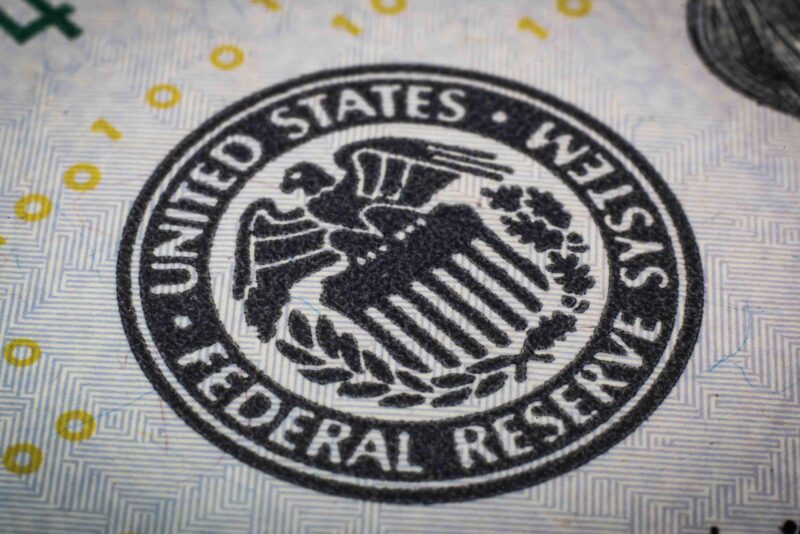
The Fed lowered its benchmark rate to a 3.5%-3.75% range in December, but Experian data shows the average used car loan rate still sat at 11.43% in early 2026, with subprime borrowers paying 19.42% and deep subprime borrowers 21.77%. Auto loan delinquencies are ticking up too, with 1.54% of accounts now 60-plus days late, up slightly from the end of 2025.
BHPH dealers, who serve customers largely shut out of traditional financing, typically charge around 25% interest to offset that added risk. Federal Reserve research shows BHPH delinquency rates run roughly 2.65 times higher than traditional lenders, and repossession rates run far higher still. Since last year’s high-profile Tricolor bankruptcy, banks have grown noticeably more cautious about extending credit lines to BHPH dealers, with default-risk estimates on those lending relationships climbing sharply in just one quarter.
For independent dealers, the takeaway is pressure from both directions: costlier financing for customers walking onto the lot, and tighter access to the capital dealers rely on to keep inventory moving.