






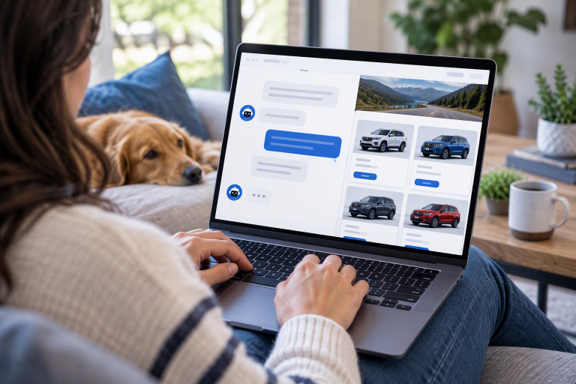
AI is changing how shoppers research vehicles, compare options and prepare to engage with a dealership. Here is what dealers can do to stay visible, build trust and help customers move from discovery to a deal.
Car shopping is changing long before a customer walks into a dealership. Instead of entering a few keywords and reviewing a list of links, consumers can now ask AI tools questions, compare vehicles and receive recommendations based on their individual needs.
A shopper might describe a need for a fuel-efficient vehicle that can handle a long commute and provide room for weekend trips. AI can help translate that request into potential vehicle matches, even when the shopper does not know which models or search filters to use.
According to Cox Automotive’s 2026 AI in Auto Retail Tracker, 63% of in-market vehicle shoppers say they plan to use AI—or expect they likely will—during their next vehicle purchase. The research also found that 24% say AI helps them feel more prepared when working with dealerships.
Today’s Shoppers May Arrive Further Along
AI can help shoppers organize their research, compare options and develop more specific questions before contacting a dealership. By the time customers submit a lead, call the store or arrive on the lot, they may already have a shorter list of vehicles and a clearer idea of what they want.
For dealers, the opportunity is to build on that preparation instead of making shoppers restart the process.
That begins with accurate, consistent information. Vehicle pricing, availability and promotional details should match across the dealership website, third-party marketplaces and advertising. When shoppers encounter conflicting information, it can create uncertainty at exactly the moment they are deciding whether to take the next step.

Strong digital merchandising remains essential. Clear pricing, detailed vehicle information, quality photos and an easy next step can help shoppers trust what they see and feel more confident about engaging with the dealership.
Turn Discovery Into Action
Being discovered is only part of the journey. Once a shopper finds the right vehicle, the path forward should be clear and easy to use.
AI-powered experiences on Autotrader and Kelley Blue Book are helping consumers search in more conversational ways. Natural-language search allows shoppers to describe what matters to them in everyday terms, while an integrated AI Shopping Assistant helps them ask questions and refine their options as their needs become clearer.
These tools help connect shopper needs to relevant inventory. Buy Online capabilities can then give customers a practical way to begin moving toward a purchase.
Online Buying Is About Flexibility
Not every shopper wants to purchase a vehicle entirely online. Some may want to complete most of the process from home, while others may prefer to handle only selected steps digitally before visiting the dealership.
A customer can value online convenience and still want a test drive, assistance from dealership staff or an in-store pickup. The goal is not to force every shopper into the same process. It is to give customers flexibility while maintaining a connected experience across online and in-store interactions.
That is why Buy Online can matter even when the sale is completed at the dealership. It gives shoppers a visible way to move beyond research and begin taking action.

On Cox Automotive sites, inventory enabled with Buy Online saw an increase of more than 11% in lead conversion rates, based on aggregated first-party behavioral data from April through September 2026. Accelerate My Deal Elite helps dealers offer online checkout across Autotrader, Kelley Blue Book and Dealer.com. Shoppers can complete selected steps digitally, request help and finish the transaction online or in the store.
Make Sure the Experience Matches the Promise
Technology is only one part of online buying. The people and processes behind the experience matter just as much.
If a dealership offers online buying, the pricing, payments and disclosures presented digitally should remain consistent when the shopper connects with the store. Dealership teams should also understand who is responsible for reviewing deals, answering questions, resolving exceptions and preparing vehicles for pickup or delivery.
When customers have already completed steps online, dealership employees should use that information to continue the conversation rather than asking customers to repeat work. A Buy Online button creates an expectation, and dealerships need a clear process for delivering on it.
Start With the Shopper Journey
Dealers do not need to pursue every new AI feature at once. A practical first step is to walk through the shopping experience as a customer.
Search for a vehicle, review the information, begin a deal and try moving from the digital experience to dealership support. Look for the first meaningful point of friction, such as inaccurate inventory, a confusing next step or a broken handoff, and give someone ownership of improving it.

Then look beyond lead volume. Inventory engagement, checkout starts, completed steps, response times, appointments, abandonment and eventual sales can provide a clearer view of where shoppers are progressing and where momentum is being lost.
The takeaway is simple: make it easy for shoppers to find your inventory, trust the information and take the next step, whether that happens online, in the store or across both.