


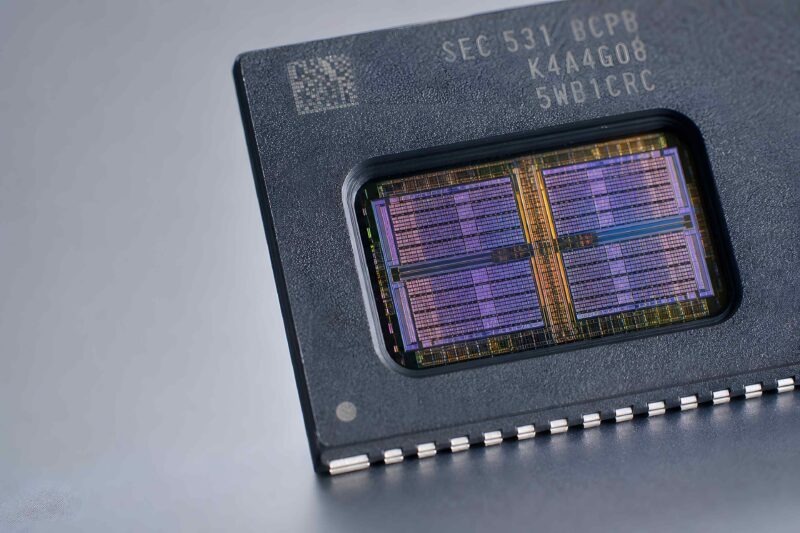
A new kind of chip shortage is taking shape, and this time the driver is artificial intelligence. DRAM — the memory behind infotainment screens, driver-assistance systems and over-the-air updates in modern vehicles — is being absorbed by AI data centers at a staggering pace. Industry estimates suggest data centers will consume roughly 70 percent of the world’s memory chips produced in 2026.
The handful of companies that dominate DRAM manufacturing have shifted output toward high-bandwidth memory for AI, where margins run well above automotive. Rather than halting production outright, the squeeze shows up as tighter allocation, longer lead times and rising prices. S&P Global Mobility projects new-contract DRAM prices could climb 70 to 100 percent in 2026, with premium, tech-heavy vehicles feeling it first. Most analysts expect the squeeze to persist into 2027 and possibly beyond.
For independent dealers, the link runs through the new-vehicle pipeline. When factory output tightens and sticker prices climb, buyers tend to look harder at used inventory — a pattern the industry watched unfold during the pandemic-era chip crunch.
How automakers absorb these costs, and whether they eventually ripple into used values, is worth watching as the year plays out.