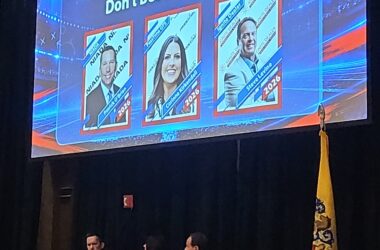


During yesterday’s NIADA webinar, the association’s Director of Government Relations and Compliance, Patrick O’Brien, put the questions dealers have been asking most directly to the FTC’s Christopher Mufarrige, Consumer Protection Bureau Director. His answers bring some welcome clarity on advertising transparency, doc fees, and compliance expectations.
- Doc fees must be included in the advertised price — no exceptions. Mr. Mufarrige was unequivocal: any fee the dealer requires a consumer to pay belongs in the advertised total, regardless of what it’s called — doc fee, service fee, paperwork fee. Only government-mandated charges like sales tax, title, and registration may be excluded.
- Federal law preempts state law where they conflict. Mr. Mufarrige said outright conflicts are rare, but where they exist, federal law wins. The federal expectation: the advertised total reflects every fee except government-mandated charges.
- Third-party platform liability turns on who controls the listing. Whoever inputs or controls the misleading information is liable. In Mr. Mufarrige’s experience, dealers typically retain full control over their listings on third-party sites — so the responsibility usually lands with the dealer.
- No formal grace period for sold vehicles. Sold cars should come off the website the same day or next day. The FTC does not recognize a lull period between sale and takedown.
- Reporting misconduct. Dealers seeing bad actors in their market can route complaints through NIADA, contact FTC staff directly, or file at reportfraud.ftc.gov.
Interested in staying compliant? Then join us at the NIADA Annual Convention & Expo, June 21-24 at the Gaylord Rockies in Denver, CO. The stacked lineup of dealer education includes nearly 7 hours of compliance-specific training, including: Where State Regulators Are Targeting Dealers and Finance Sources in 2026, and Washington Pulse Check: Hot Topics on Capitol Hill and the Federal Agencies Affecting Independent Dealers, among many others.