






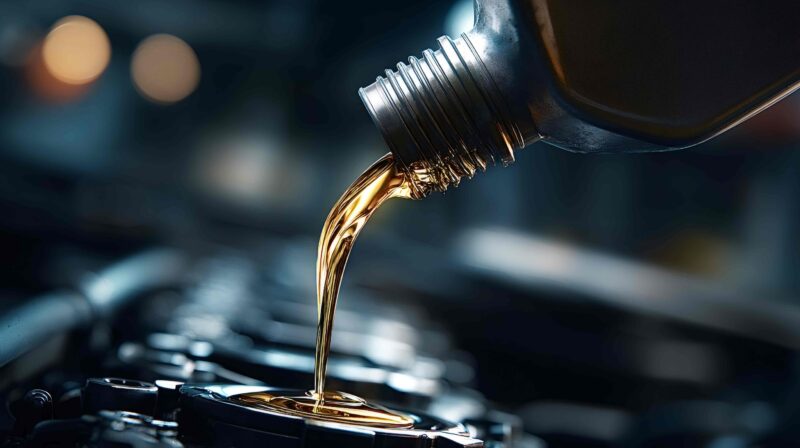
The Middle East conflict has triggered a supply crisis that is landing squarely on the service lanes of independent auto dealers. Group III base oil — the primary ingredient in modern synthetic motor oil — has seen roughly 44% of U.S. supply disrupted, with the Independent Lubricant Manufacturers Association warning the shortage may not ease until mid-2027.
While franchise dealers like Nissan and Toyota are managing the crisis through OEM-issued rationing bulletins and approved oil substitutions, independent dealers have no such safety net. Every pre-owned vehicle that moves through a used lot typically requires an inspection and fresh oil change before it is front-line ready — a process now complicated by skyrocketing bulk lubricant costs and shrinking availability. Wholesale prices have already surged by more than $5 per gallon, with retail oil change costs climbing $10–$25 higher than earlier this year.
For independents offering prepaid maintenance plans or complimentary first oil changes, these cost spikes can quickly erode margins. Dealers carrying newer model inventory — particularly hybrids requiring ultra-thin grades like 0W-16 or 0W-20 — face the greatest exposure as those grades are the most constrained.
The questions independent dealers should be asking right now: Do you have enough bulk lubricant inventory secured, or are you exposed if availability tightens further? Have you audited your reconditioning costs on incoming inventory to understand where margins are actually landing? And if customers start asking about service delays or price adjustments, do you have a communication plan ready? In a shortage, availability matters as much as price — so the real question is whether your operation is positioned ahead of the curve, or waiting to react.